skip to Main Content

Covid-19: Antibodies 'fall rapidly after infection'

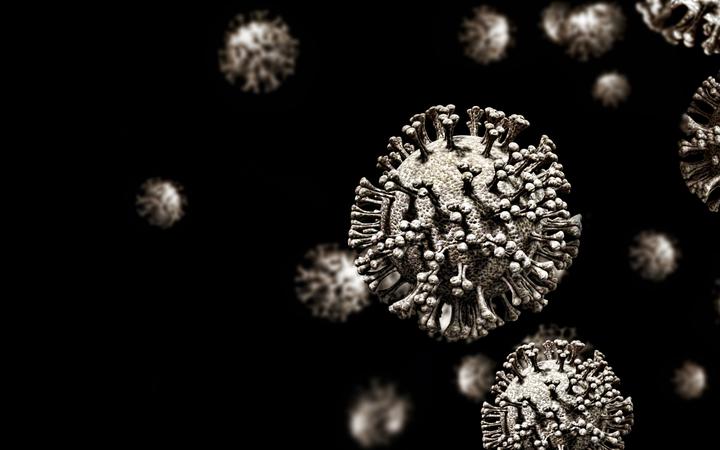
Levels of protective antibodies in people wane "quite rapidly" after coronavirus infection, say researchers. Illustration of SARS-CoV-2, the virus which causes Covid-19. Photo: AFP Antibodies are a key part of our immune defences and stop the virus from getting inside the body's cells. The Imperial College London team found the number of people testing positive for antibodies has fallen by 26 percent between June and September. They say immunity appears to be fading and there is a risk of catching the virus multiple times. The news comes as figures from the Office for National Statistics show that the number of Covid-19 deaths in the UK rose by 60 percent in the week of 16 October. The ONS figures suggest there have now been more than 60,000 deaths involving Covid-19 in the UK. More than 350,000 people in England have taken an antibody test as part of the REACT-2 study so far. In the first round of testing, at the end of June and the beginning of July, about 60 in 1,000 people had detectable antibodies. But in the latest set of tests, in September, only 44 per 1000 people were positive. It suggests the number of people with antibodies fell by more than a quarter between summer and autumn. "Immunity is waning quite rapidly, we're only three months after our first [round of tests] and we're already showing a 26 percent decline in antibodies," said Professor Helen Ward, one of the researchers. The fall was greater in those over 65, compared with younger age groups, and in those without symptoms compared with those with full-blown Covid-19. The number of healthcare workers with antibodies remained relatively high, which the researchers suggest may be due to regular exposure to the virus. Antibodies stick to the surface of the coronavirus to stop it invading our body's cells and attacking the rest of the immune system. Exactly what the antibody drop means for immunity is still uncertain. There are other parts of the immune system, such as T-cells, which may also play a role, directly killing infected host cells and calling to other immune cells to help out. However, the researchers warn antibodies tend to be highly predictive of who is protected. Professor Wendy Barclay said: "We can see the antibodies and we can see them declining and we know antibodies on their own are quite protective. "On the balance of evidence, I would say it would look as if immunity declines away at the same rate as antibodies decline away, and that this is an indication of waning immunity." There are four other human coronaviruses, which we catch multiple times in our lives. They cause common cold symptoms and we can be reinfected every six to 12 months. Many people have mild or asymptomatic coronavirus infections. Two out of every three people who tested positive for coronavirus in a study published today by the Office for National Statistics experienced none of the main symptoms of coronavirus. Separate figures from the ONS today showed that Covid-19 deaths in the UK increased from just under 500 to just over 750 in the week to 16 October, pushing the total number of deaths 6 percent over the level expected for this time of year. The ONS figures suggest that more than 60,000 deaths in the UK have involved coronavirus so far this year. By 16 October, more than 59,000 of these deaths had happened and, since then, a further 1200 people have died within 28 days of a positive test for coronavirus. Ninety percent of these deaths happened before the end of June. There have been very few confirmed cases of people getting Covid twice. However, the researchers warn this may be due to immunity only just starting to fade since the peak infection rates of March and April. The hope is the second infection will be milder than the first, even if immunity does decline, as the body should have an "immune memory" of the first encounter and know how to fight back. The researchers say their findings do not scupper hopes of a vaccine, which may prove more effective than a real infection. One of the researchers, Professor Graham Cooke, said: "The big picture is after the first wave, the great majority of the country didn't have evidence of protective immunity. "The need for a vaccine is still very large, the data doesn't change that." Professor Paul Elliott, director of the REACT-2 study, said it would be wrong to draw firm conclusions from the study about the impact of a vaccine. He said: "The vaccine response may behave differently to the response to natural infection." But he said it was possible that some people might need follow-up booster doses of any vaccine that became available to top up fading immunity over time. -BBC
Continue Reading

Southern California fires worsen as extreme winds fan flames

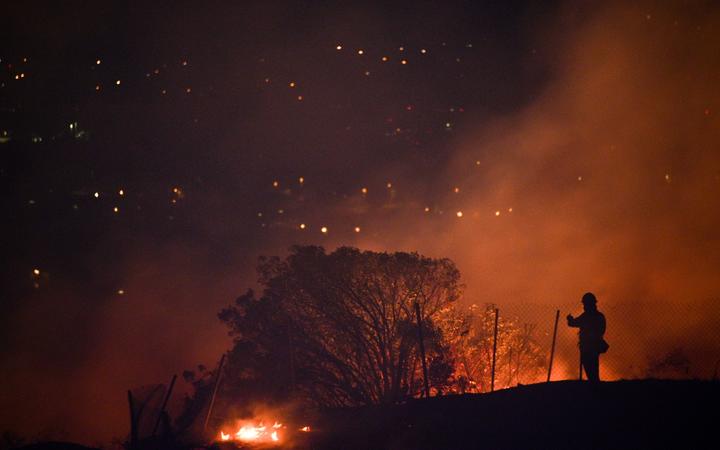
Wind-driven walls of flame have prompted mass evacuations of homes in Southern California and badly injured two firefighters, as hundreds of thousands of residents endured a second day of power shutoffs meant to counter heightened fire risks from gusty, dry weather. Firefighters position in a residential area and monitor flames climbing a ridge toward homes at the Blue Ridge Fire in Yorba Linda, California. Photo: AFP The latest threats came amid what meteorologists called the strongest onslaught of extreme winds - and lowest humidity levels - yet documented during a California wildfire season already ranked as the worst on record in terms of acreage burned. Fires have scorched more than 16,500 square kilometres - equivalent to the land mass of the state of Hawaii - since the start of the year, with thousands of homes destroyed and 31 lives lost. Red flag warnings for incendiary weather conditions remained posted across much of California due to extreme winds producing gusts in excess of 129km/h, according to the California Department of Forestry and Fire Protection. Illustrating the hazards posed by California's latest bout of dry, desert-born winds, a blaze dubbed the Silverado fire erupted early Monday (Tuesday NZT) and spread across 2913 hectares of Orange County by late afternoon, county fire authority spokesman Thanh Nguyen told Reuters. Some 90,800 residents were ordered evacuated from homes in and around the city of Irvine as the fire raged largely unchecked through drought-parched brush in the canyons and foothills of the Santa Ana Mountains south of Los Angeles, officials said. No property losses were immediately reporte, but two firefighters among an estimated 500 personnel battling the flames with bulldozers and hand tools were hospitalized with severe burns, authorities said. A second Orange County blaze, the Blueridge fire, later broke near Yorba Linda and has charred roughly 485 hectares, Nguyen said. Local television news footage showed at least one home gutted by flames. Precautionary outages Utility company Southern California Edison reported shutting off electricity to 21,000 homes and businesses in the region as a precautionary measure in the face of elevated fire risks posed by dangerously high winds. Hundreds of miles away, the Pacific Gas and Electric Company (PG&E) said it had cut off power to more than 350,000 of its customers for the same reason. Wind-damaged electrical lines have been implicated in causing dozens of devastating California wildfires in recent years, and utilities have increasingly resorted to such "public safety power shutoffs" to reduce the risk. Wind gusts were clocked at up to 143km/h in Sonoma County wine country north of San Francisco Bay, and were steadily blowing at more than 80km/h elsewhere through the region. "It's the strongest wind event, and the lowest humidity event, for this fire season," National Weather Service forecaster Jim Mathews told Reuters. By midday Monday, PG&E said it was beginning to restore electrical service to some customers "where it is safe to do so," with most of the shutoffs expected to be ended by Tuesday night (Wednesday NZT) as winds abated, the utility said in a statement. The latest outbreak of fires capped a summer of record California wildfire activity stoked by increasingly frequent and prolonged bouts of extreme heat, drought, wind and dry lightning storms that scientists point to as a consequence of climate change. Further east in drought-stricken Colorado, an Arctic storm sweeping the Rockies over the weekend dumped 15-40cm of snow on the two largest wildfires in that state's history. "The snow has improved our chances of getting them contained, but we're still a way off," said Larry Helmerick, spokesman for the Rocky Mountain Area Coordination Center. The two blazes combined have so far blackened well over a quarter-million acres. - Reuters
Continue Reading

Tahiti Covid-19 death toll climbs to 26

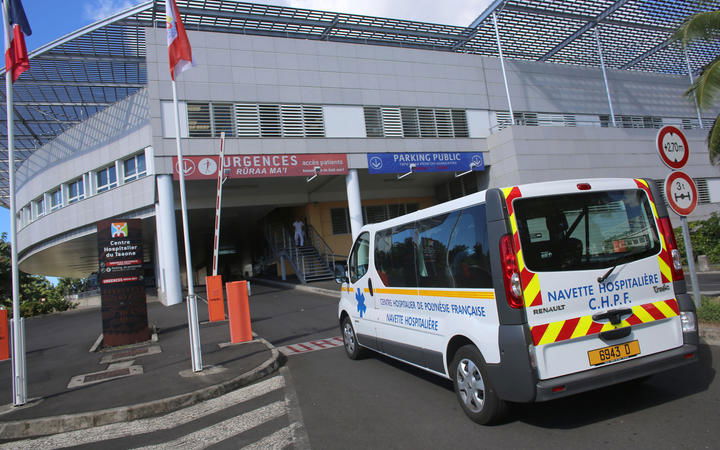
Six more people have died in French Polynesia's Covid-19 outbreak as about 300 infections a day are being recorded. Photo: AFP The death toll is now 26 and the number of cases has reached 6483. Seventy-eight people with Covid-19 symptoms are in hospital, including 19 in intensive care. According to health authorities, 2315 cases are active. All but 62 cases were detected after the borders were reopened in July and mandatory quarantine requirements were abolished to boost tourism. A seven-hour curfew was reintroduced at the weekend on order from Paris. It applies to only Tahiti and Moorea although the virus has spread across the whole archipelago. Public cultural and sporting events have been called off.
Continue Reading

Water on the Moon could sustain a lunar base

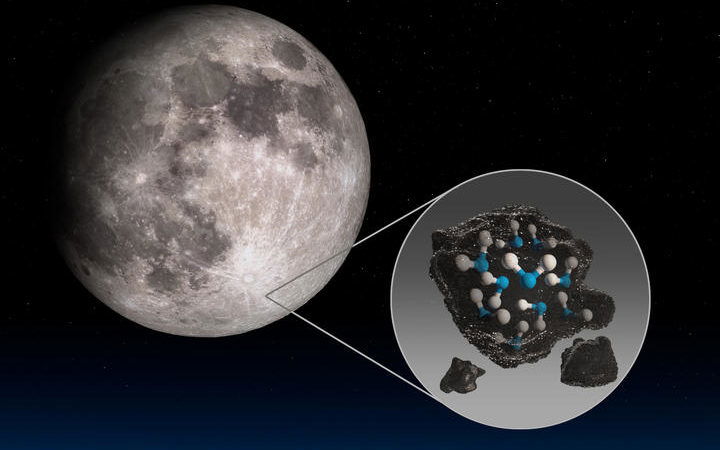
Having dropped tantalising hints days ago about an "exciting new discovery about the Moon", Nasa has revealed conclusive evidence of water on our only natural satellite. This illustration highlights the Moon's Clavius Crater with an illustration depicting water trapped in the lunar soil there. Photo: NASA This "unambiguous detection of molecular water" will boost Nasa's hopes of establishing a lunar base. The aim is to sustain that base by tapping into the Moon's natural resources. The findings have been published as two papers in the journal Nature Astronomy. While there have previously been signs of water on the lunar surface, these new discoveries suggest it is more abundant than previously thought. "It gives us more options for potential water sources on the Moon," said Hannah Sargeant, a planetary scientist from the Open University in Milton Keynes, told BBC News. Where to put a Moon base is largely focused on where the water is." The US space agency has said it will send the first woman and next man to the lunar surface in 2024 to prepare for the "next giant leap" - human exploration of Mars as early as the 2030s. However, space scientist Dr Duncan Steel, who has worked for both NASA and the European Space Agency, said the discovery doesn't mean there is life on the moon. "For sometime we've suspected there is water on the moon in the form of ice, there will never be liquid water on the Moon, it would either be frozen or in a vapor form. "In the vacuum of space water would go from the solid, so ice into vapor if it was heated at all, it wouldn't look like liquid water as we know here on Earth," he said. The water is like a frost in craters near the Moon's poles which are always shaded from sunlight, he said. "This is a big deal because if we know there is water on the Moon we can use it when we set up a scientific outpost on the moon, it can be used for astronauts to drink, to shower and we can even split it to get the oxygen out for people to use it to breathe. "We can even get the hydrogen out which can be used as rocket fuel - it sounds like science fiction but we are getting close to being able to have scientists stationed on the Moon," Steel said. There are estimates that there could be as much as a litre of water per cubic metre of soil on the Moon's surface. NASA plane SOFIA Photo: AFP "That's a substantial amount and is a lot more than what's been suspected to be there in the past, so this is a very interesting discovery." "It will be a great day when we can get on the Moon and dig deeper into the surface to see what is below, certainly the target of future missions is to go closer to the poles in order to look at this craters in greater detail," he said. Professor of Physics at Auckland University Richard Easther said scientists could make the discovery by looking at infra red light which is reflected off the Moon's surface. Prof Easther said with so much water vapor in the Earth's atmosphere, the only way to read the Moon's surface is to do tests in space or from an aircraft which is flying at a sufficient altitude so that it doesn't pick up what's in the Earth's atmosphere. "This discovery tells us a lot about he mineralogy of the Moon, but it also brings up a lot of questions which need to be answered like how it got there, how long its been there and so on." Easther said the discovery and announcement has had many in the science world rolling their eyes, because it's not the first time water has been discovered on the Moon. "It is big news, it's not necessarily a big breakthrough like what it's been touted as, there's been a lot of talk on social media about NASA's announcement. "It's been a little hyped up, how many times can we claim that we've found water on the Moon this is at least the second if not third time its been discovered." -BBC / RNZ
Continue Reading

Researchers find upside in tough year for Pacific workers

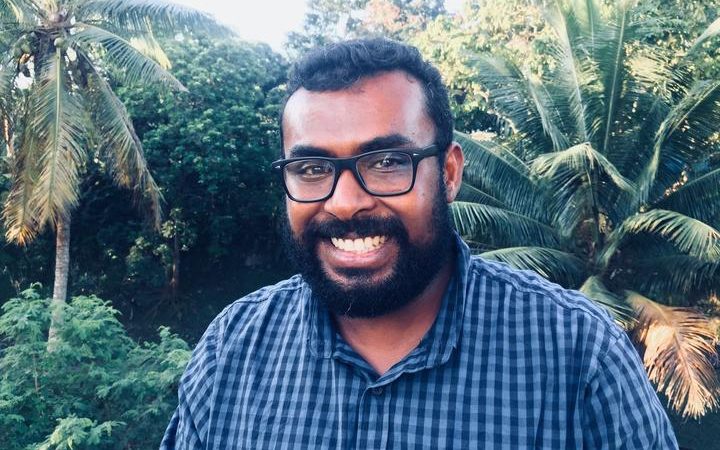
Unemployed tourism workers in the Pacific have enjoyed a reconnection with their culture during the pandemic shutdown and are hoping this continues when life returns to normal. Thousands of workers across the Pacific have lost their jobs amid the global shutdown and turned to traditional farming and fishing practices. Dr Api Movono Photo: Massey University Research by Massey University showed their experiences had shown an upside to a very difficult year. Senior lecturer in development studies, Dr Api Movono, said Pacific Islanders had a long history of being innovative and resourceful and having this embedded in their way of life had provided the safety net to "allow them to sustain their families, relearn the skills of food production, gardening, farming, fishing. "We have actually noticed that people have gained in terms of their well-being, with participants in our studies and those who were interviewed really coming out and saying , 'this is what we miss. This is what we want more of.'" Movono said people were asked if they re-imagined their working life after Covid-19 ends. "People are saying, yes, we will have to return to our jobs, because we need the money to pay for our bills, school fees etcetera, but at the same time they are reflecting on how this should be done, with one particular group of respondents saying that tourism must complement their way of life and not overtake everything else."
Continue Reading

Melbourne lockdown restrictions to be eased

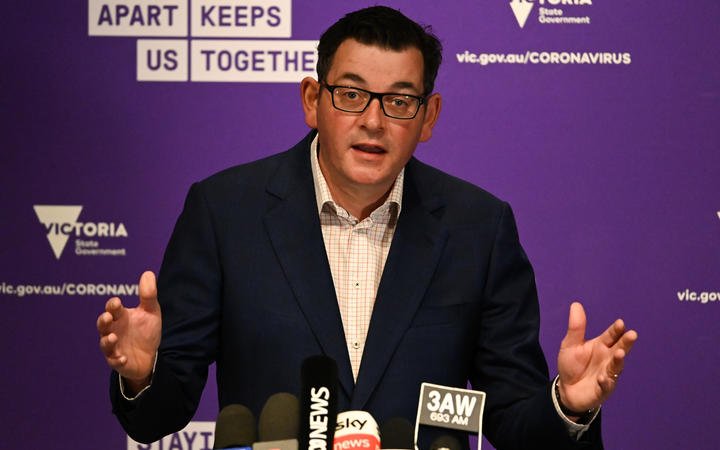
A lockdown of Australia's second-biggest city will be eased after the country's coronavirus epicentre went 24 hours without any new infections for the first time in four months, Victoria state Premier Daniel Andrews said. Victoria state Premier Daniel Andrews. Photo: AFP Melbourne - home to 5 million people - has been in lockdown since early July after a spike of novel coronavirus infections that began in hotels where people were in quarantine after arriving from abroad. But with infections now under control, Andrews said most restrictions would be eased in two phases from Tuesday, which should give Australia's ailing economy a boost. "Now is the time to open up," Andrews told reporters in Melbourne. "We've have been able to bring this under control, a day of zero cases is an amazing achievement." Andrews said people would be free to leave their homes from Tuesday while restaurants, cafes, shops, bars and hotels would be allowed to reopen. Capacities at those businesses, however, will be capped at 40 indoors and 70 outside. The size of religious services would also be expanded, Andrews said. Andrews said people would be allowed to travel from Melbourne to the state's rural areas from 9 November, when a curb limiting people to no more than 25 km from their homes will be dropped. The easing of restrictions will boost hopes of a quick economic rebound from Australia's first recession in three decades, triggered after large swathes the economy were shut to slow the spread of the virus. The economy shrank 7 percent in the three months to the end of June, the biggest quarterly contraction since records began in 1959. Unemployment hit a 22-year high of 7.5 percent in July as businesses and borders closed. Most restrictions in other parts of Australia have been eased with just a handful of locally acquired infections being found on most days. Australia has recorded just over 27,500 novel coronavirus infections, far fewer than many other developed countries. Victoria, which accounts for more than 90 percent of the 905 deaths nationally, did not record any new deaths from the virus in the past 24 hours. -Reuters
Continue Reading

Chileans vote to tear up constitution

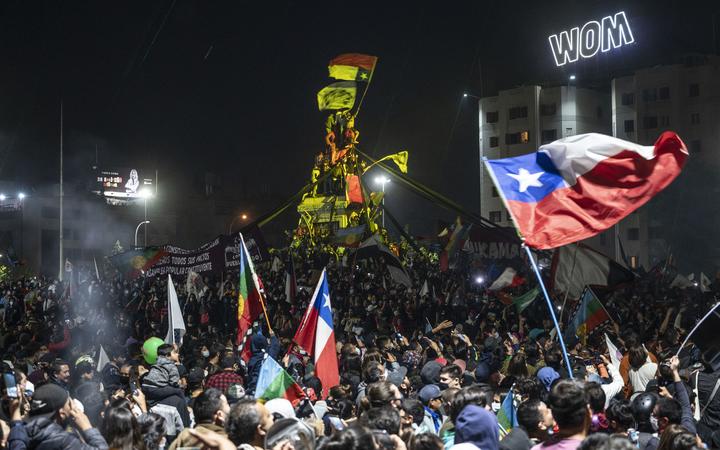
Chileans poured into the country's main squares on Sunday night after voters gave a ringing endorsement to a plan to tear up the country's Pinochet-era constitution in favour of a new charter drafted by citizens. Demonstrators supporting the reform of the Chilean constitution celebrate the referendum official results at Plaza Italia square in Santiago. Photo: AFP In Santiago's Plaza Italia, the focus of the massive and often violent social protests last year which sparked the demand for a new magna carta, fireworks rose above a crowd of tens of thousands of jubilant people singing in unison as the word "rebirth" was beamed onto a tower above. With more than three quarters of the votes counted, 78.12 percent of voters had opted for a new charter. Many have expressed hopes that a new text will temper an unabashedly capitalist ethos with guarantees of more equal rights to healthcare, pensions and education. "This triumph belongs to the people, it's thanks to everyone's efforts that we are at this moment of celebration," Daniel, 37, told Reuters in Santiago's Plaza Nunoa. "What makes me happiest is the participation of the youth, young people wanting to make changes." Chile's President Sebastian Pinera said if the country had been divided by the protests and debate over whether to approve or reject plans for a new charter, from now on they should unite behind a new text that provided "a home for everyone." The centre-right leader, whose popularity ratings plummeted to record lows during the unrest and have remained in the doldrums, spoke to those who wanted to keep the present constitution credited with making Chile one of Latin America's economic success stories. Any new draft must incorporate "the legacy of past generations, the will of present generations and the hopes of generations to come," he said. He gave a nod to fears that the high expectations placed in a new charter cannot be met, saying: "This referendum is not the end, it is the start of a road we must walk towards a new constitution." Chile's President Sebastian Pinera speaks at La Moneda presidential palace following the results of the constitutional referendum voting. Photo: AFP As votes were counted on live television around the country, spontaneous parties broke out on street corners and in squares around the country. Drivers honked car horns, some as revellers danced on their roofs, and others banged pots and pans. The flag of the country's indigenous Mapuche people, who will seek greater recognition in the new charter, was ubiquitous. Four fifths of voters said they wanted the new charter to be drafted by a specially-elected body of citizens - made up of half women and half men - over a mixed convention of lawmakers and citizens, highlighting general mistrust in Chile's political class. Members of a 155-seat constitutional convention will be voted in by April 2021 and have up to a year to agree a draft text, with proposals approved by a two-thirds majority. Among issues likely to be at the fore are recognition of Chile's Mapuche indigenous population, powers of collective bargaining, water and land rights and privatised systems providing healthcare, education and pensions. Chileans will then vote again on whether they accept the text or want to revert to the previous constitution. The National Mining Society (Sonami), which groups the companies in the sector into the world's largest copper producer, said it hoped for "broad agreement on the principles and norms" that determine the sector's coexistence with Chilean citizens and that the regulatory certainty that have allowed the sector to flourish would continue. -Reuters
Continue Reading

Australia demands answers after passengers strip-searched at Doha airport

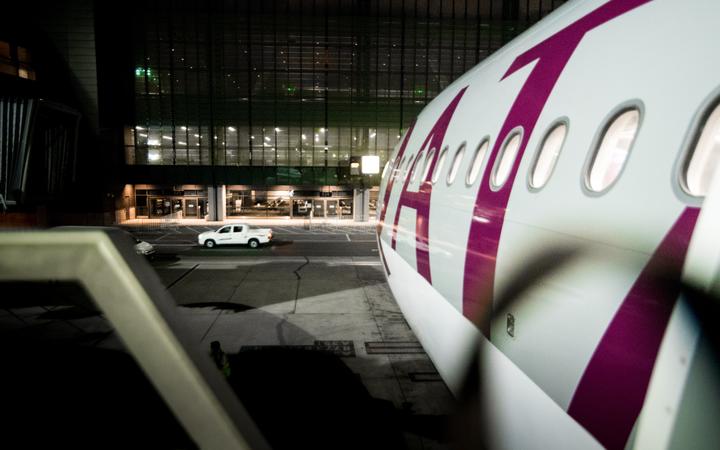
The Australian government has registered "serious concerns" with Qatar after women on board a flight from Doha to Sydney were subjected to an invasive internal examination. Women on board a flight that was bound for Sydney were forced to undergo an examination in an ambulance parked on the tarmac at the airport in Doha. Photo: AFP Seven News reported that a premature baby was found in a terminal bathroom at the Hamad International Airport in Doha earlier this month. A statement from Hamad Airport confirmed the baby is safe and was receiving medical care. "At this time, the newborn infant remains unidentified, but is safe under the professional care of medical and social workers," the statement read. "Medical professionals expressed concern to officials about the health and welfare of a mother who had just given birth and requested she be located prior to departing [the airport]." The baby was found in the toilet facilities of the Hamad International Airport in Doha. (file pic) Photo: AFP Qatar Airways have not yet responded to a request for comment. The mother of the baby has not been located. Women on board a flight that was bound for Sydney, including 13 Australians, were detained and forced to undergo an examination in an ambulance parked on the tarmac. The women were required to take off their underwear for the invasive medical examination but were not told why. Marise Payne Photo: AFP Minister for Foreign Affairs Marise Payne confirmed today that the women had contacted the Australian government at the time of the incident and that the government has formally raised concerns with Qatar. "The Australian government is deeply concerned at the unacceptable treatment of some female passengers on a recent Qatar Airways flight at Doha Airport," she said. "The advice that has been provided indicates that the treatment of the women concerned was offensive, grossly inappropriate, and beyond circumstances in which the women could give free and informed consent. "It is not something I have ever heard of occurring in my life, in any context. "The government has formally registered our serious concerns about this incident with Qatari authorities." She said the "extraordinary incident" had also been reported to the Australian Federal Police. New South Wales police said the women were required to complete mandatory quarantine, but did receive support. "Those women completed mandatory quarantine in NSW, during which time they were provided with medical and psychological support by NSW Health," it said in a statement. "NSW Police referred it to the relevant Commonwealth authority." The Australian Federal Police said it was engaging with the Department of Foreign Affairs and Trade, adding it would be "inappropriate to comment any further." - ABC / BBC
Continue Reading

New era for nuclear disarmament hailed as 'victory for humanity'

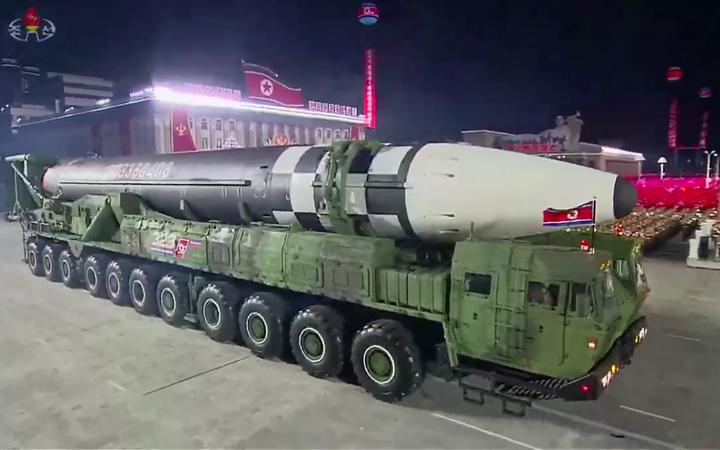
Campaigners have hailed a "new chapter" after a key step by the United Nations towards banning nuclear arms. A screen grab taken from a KCNA broadcast on October 10, 2020 shows what appears to be a new North Korean intercontinental ballistic missile during a military parade in Pyongyang. Photo: AFP Honduras has become the 50th country to ratify the Treaty on the Prohibition of Nuclear Weapons so it will now come into force in 90 days' time. New Zealand and many Pacific nations including Samoa, Fiji, Niue, Tuvalu, Cook Islands and Kiribati are among the signatories. But what it will actually achieve remains in doubt because the five recognised nuclear powers have not signed the accord. Supporters hope it will nevertheless have a deterrent effect. What's in the treaty? The accord was approved by 122 countries at the UN General Assembly in 2017 but needed to be ratified by at least 50 before being enacted. It declares that those countries that ratify it must "never under any circumstances develop, test, produce, manufacture, otherwise acquire, possess or stockpile nuclear weapons or other nuclear explosive devices". The treaty outlaws the use or threat to use nuclear arms, and bars signatories from allowing "any stationing, installation or deployment of any nuclear weapons or other nuclear explosive devices" on their territory. What has the reaction been? The International Campaign to Abolish Nuclear Weapons (Ican) described the 50th ratification as heralding "a new chapter for nuclear disarmament". Beatrice Fihn, the head of Ican, which was awarded the Nobel Peace Prize in 2017, said: "Decades of activism have achieved what many said was impossible: nuclear weapons are banned." The treaty is the culmination of decades of activism, Beatrice Fihn said. Photo: AFP The president of the International Committee of the Red Cross, Peter Maurer, said: "Today is a victory for humanity, and a promise of a safer future." A statement from the UN Secretary-General, Antonio Guterres, described the move as "a meaningful commitment towards the total elimination of nuclear weapons, which is the highest disarmament priority of the United Nations". There has been no immediate reaction from the five main nuclear powers - the US, Russia, China, the UK and France. But the US and the UK made clear their opposition in 2017. The UK said at the time that, while committed to a nuclear-free world, the government does not believe the treaty will bring about an end to nuclear weapons and could undermine existing efforts to do so, such as the Nuclear Non-Proliferation Treaty. The US, in a letter seen by Associated Press, wrote to the treaty signatories saying the accord "turns back the clock on verification and disarmament". The "Baker" underwater nuclear weapons test at Bikini Atoll in 1946. Dozens of World War II vessels were used as targets for this weapons test, and now lie on the atoll's lagoon floor. Photo: US Navy. Photo: Supplied/ Giff Johnson Stocks of weapons It is believed there are about about 14,000 nuclear weapons worldwide, but considerably fewer than the 70,000 known to exist in the mid-1980s. The US and Russia have the most, followed by France, China and the UK. India, Pakistan and North Korea are also nuclear powers. Israel is widely believed to have nuclear weapons, but refuses to confirm or deny. What is being done to eliminate them? The Non-Proliferation Treaty, backed by 190 countries in 1970, commits countries which signed up, including the US, Russia, France the UK and China, to reducing their stockpiles and bars others from acquiring nuclear weapons. India, Pakistan and Israel did not sign up and North Korea left in 2003. The US, Russia and the UK have been reducing their inventories. Russia and the US are trying to extend their last remaining nuclear arms agreement which is due to expire in February. New Start, signed in 2010, limits the number of long-range nuclear warheads each can possess to 1550. The US recently pulled out of another treaty, the Intermediate-Range Nuclear Forces treaty signed during the Cold War, after accusing Russia of violating it. - BBC
Continue Reading

Tanker stowaways: Seven suspects detained off Isle of Wight

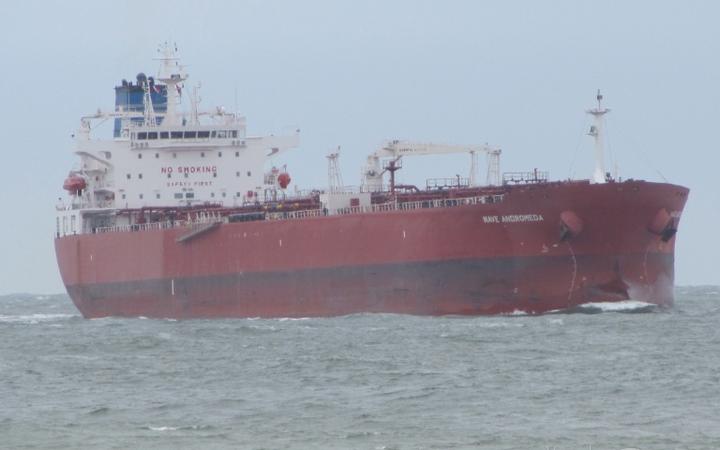
Seven suspects have been detained on board a tanker situated off the Isle of Wight. Photo: VesselFinder / Dennis Adriaanse UK special forces were involved in dealing with the incident on board the crude oil tanker, which had a number of stowaways on board. The operation on board the Liberian-registered Nave Andromeda involved six helicopters and a Special Boat Service team, the BBC understands. Military assistance had been requested after the stowaways became violent. BBC defence correspondent Jonathan Beale said the individuals were detained after they were met with "overwhelming force". He said the crew of the tanker were all safe locked in the ship's citadel. Beale said members of the Special Boat Service based at Poole, in Dorset, were specially trained to deal with such incidents, though the Ministry of Defence does not officially comment on their activities. A three-mile exclusion zone is in place around the vessel. Concerns over the crew's welfare were raised at 10:04 GMT when the vessel was six miles off Bembridge, police said. A spokesperson said "verbal threats" had been made towards the crew. Richard Meade, editor of shipping news journal Lloyd's List, said there were thought to have been seven stowaways on board. He said it was believed they had become violent towards the crew after they attempted to detain them in a cabin. The 240ft-long (73m) ship is known to have left Lagos in Nigeria on 5 October and is currently situated south of the Isle of Wight. Lawyers for the vessel's owners said they had been aware of the stowaways on board for some time. Meade said: "They discovered seven stowaways on board the vessel. When the crew tried to detain the stowaways in a cabin they got violent and that sparked the security incident. "This wasn't a hijacking attempt. This was the fact that they discovered stowaways on board and the stowaways didn't want to be locked in a cabin." The Maritime Coastguard Agency said it was assisting police and search and rescue helicopters were at the scene. A spokesperson for Associated British Ports (ABP) said it had no comment on the incident. It is understood the port received contact from the ship but it had not been refused entry to the harbour. A spokesperson for the Home Office said it was aware of the incident. -BBC
Continue Reading
Back To Top